23 Sep 2026
Tracing Regulatory Milestones and Player Adaptations Across Digital Card Platforms
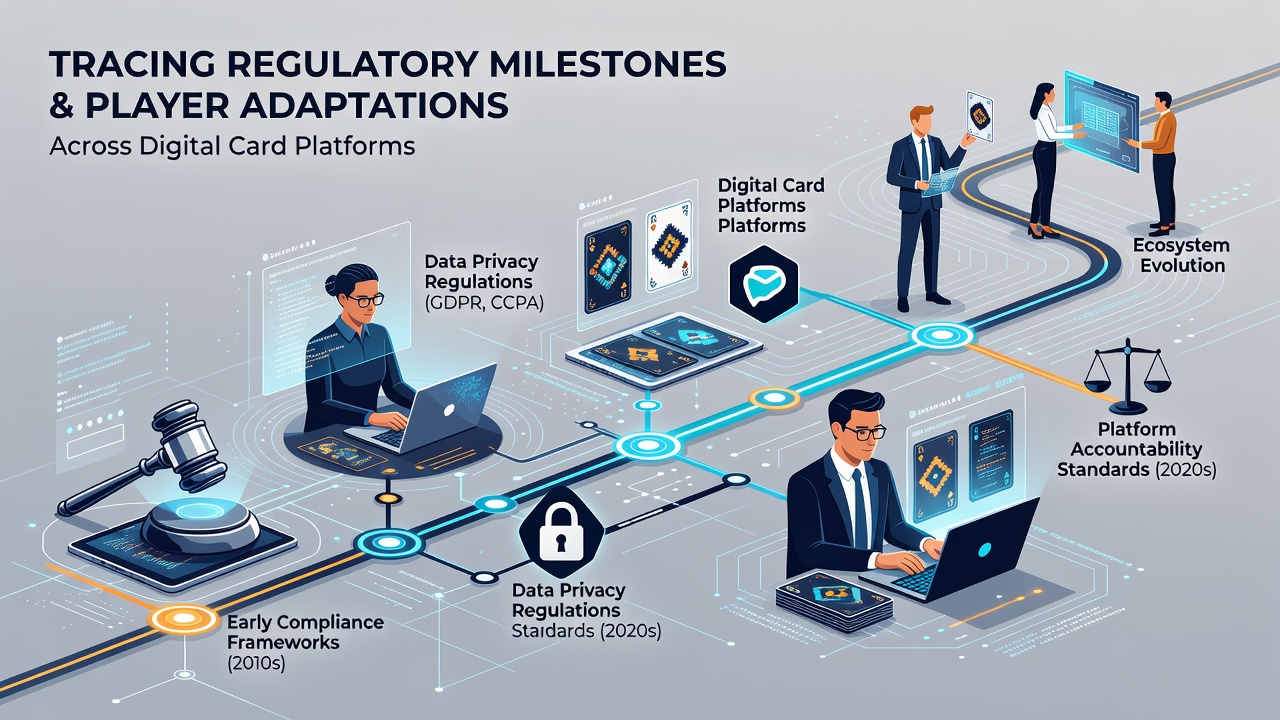
Digital card platforms have evolved through a series of regulatory shifts that began with early internet gambling laws in the late 1990s and continue into projections for September 2026, when several jurisdictions plan updated licensing frameworks for online card games. Regulators in multiple regions established foundational rules that required platforms to implement age verification systems, data protection protocols, and transaction monitoring tools, while players responded by migrating between licensed and offshore sites depending on access restrictions in their home countries.
Foundational Regulatory Developments
Observers note that the United States passed the Unlawful Internet Gambling Enforcement Act in 2006, which targeted financial transactions for online poker and other card games yet left state-level licensing pathways open for future operators. Data from the New Jersey Division of Gaming Enforcement later showed how that state launched its regulated online poker market in 2013, creating a model that other states referenced when drafting their own statutes. Meanwhile, Malta's gaming authority issued early remote gambling licenses that attracted European operators seeking a stable legal base, and those licenses required platforms to maintain separate player funds and conduct regular audits.
Canadian provinces moved at different speeds, with Ontario introducing its iGaming framework in 2022 that permitted licensed digital card rooms to offer poker and similar games under strict advertising and responsible gaming rules. Figures from the Alcohol and Gaming Commission of Ontario revealed steady growth in registered accounts after launch, and players adapted by creating verified profiles that unlocked deposit bonuses and tournament entries unavailable on unregulated sites.
Player Responses to Access Changes
Research indicates that when major payment processors restricted services to offshore card platforms after 2011 enforcement actions, many participants shifted to cryptocurrency deposits or alternative payment processors that operated outside traditional banking channels. Studies from academic researchers at the University of Nevada, Reno documented how players formed communities on forums to share updated site recommendations and proxy server configurations that maintained access during periods of heightened enforcement.
Those adaptations accelerated when Australia implemented its Interactive Gambling Act amendments in 2017, which banned certain offshore poker offerings while allowing domestic wagering operators to expand digital card products under state licenses. Industry reports from the Australian Communications and Media Authority tracked a measurable increase in traffic to licensed platforms, and players who previously used international sites often migrated after receiving notifications about restricted payment options.
Recent Milestones and Emerging Patterns
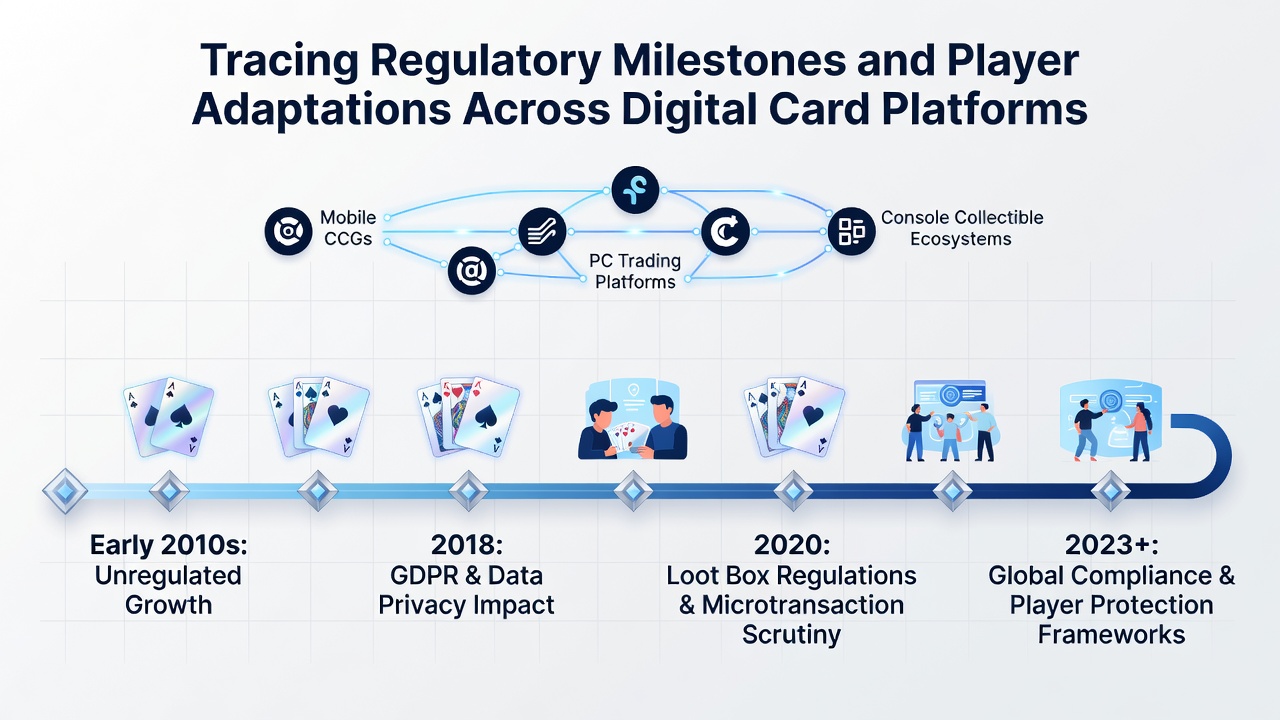
By 2024 several European Union member states had harmonized certain reporting requirements under the Anti-Money Laundering Directive updates, forcing platforms to integrate real-time transaction screening that flagged unusual betting patterns. Experts tracking these changes observed that operators responded by deploying machine learning tools to monitor gameplay, and players adjusted strategies by spreading activity across multiple verified accounts to stay within daily deposit limits. Projections for September 2026 include pending legislation in additional U.S. states that would expand regulated markets, alongside Canadian discussions about nationwide standards that could reduce cross-province fragmentation.
Case examples show how one group of researchers examined player behavior logs from licensed European platforms and found that participants who encountered stricter identity checks often increased their use of multi-factor authentication across devices rather than abandoning the sites. Data from industry associations indicates that average session lengths remained stable even after new verification steps were introduced, suggesting that many users viewed compliance measures as routine rather than prohibitive.
Conclusion
Regulatory milestones across digital card platforms have consistently prompted measurable shifts in player behavior, from payment method changes to platform migration and tool adoption. Records maintained by licensing bodies in North America, Europe, and Australia demonstrate that licensed environments attract increasing numbers of participants when they offer transparent rules and secure transaction systems. As frameworks continue to develop toward 2026, ongoing data collection from regulators and academic sources will track how these adaptations evolve in response to new compliance requirements.